
1000 + Clients
Trusted by leading businesses for reliable SOLIDWORKS solutions worldwide today and consistently.

3+ Office Locations
Serving businesses across Tamil Nadu & Kolhapur with dedicated SOLIDWORKS support services.

100+Industry Awards
Honored for outstanding SOLIDWORKS expertise, service and innovation excellence worldwide.

25+ Years Experience
Serving businesses with expert SOLIDWORKS solutions and support services.


CAD SERVICES
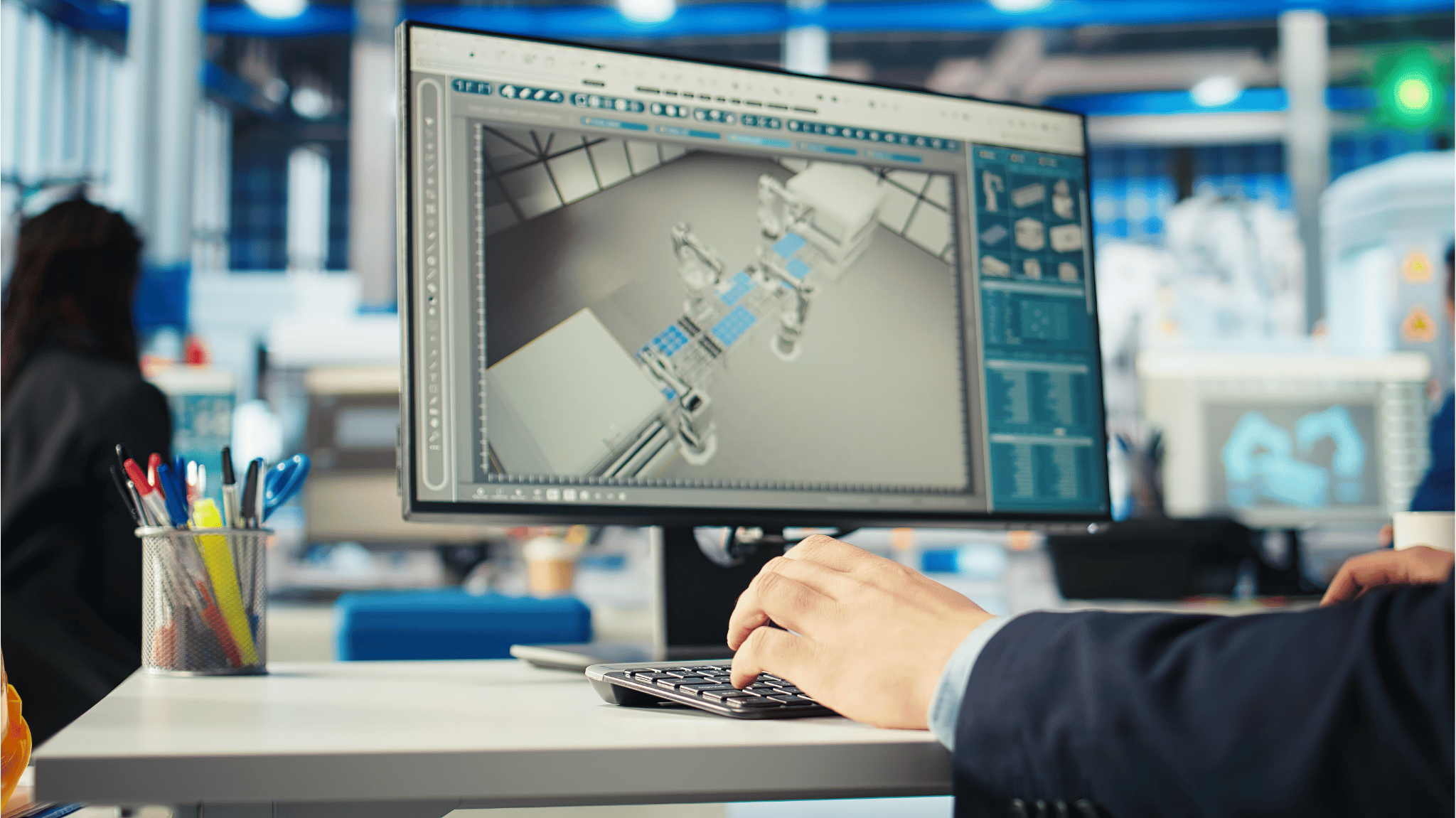
As the best authorized SOLIDWORKS reseller in Chennai and Coimbatore, we provide SOLIDWORKS 3D CAD solutions for product modeling, drafting and assembly design. Our CAD services help engineering firms and manufacturers streamline design-to-production workflows, automate repetitive tasks.
View services
CAE SERVICES
With SOLIDWORKS Simulation, we offer structural analysis, thermal simulation and motion studies to enhance product durability and efficiency. Our affordable SOLIDWORKS software pricing in Chennai and Coimbatore ensures businesses get cost-effective solutions for advanced stress.
View services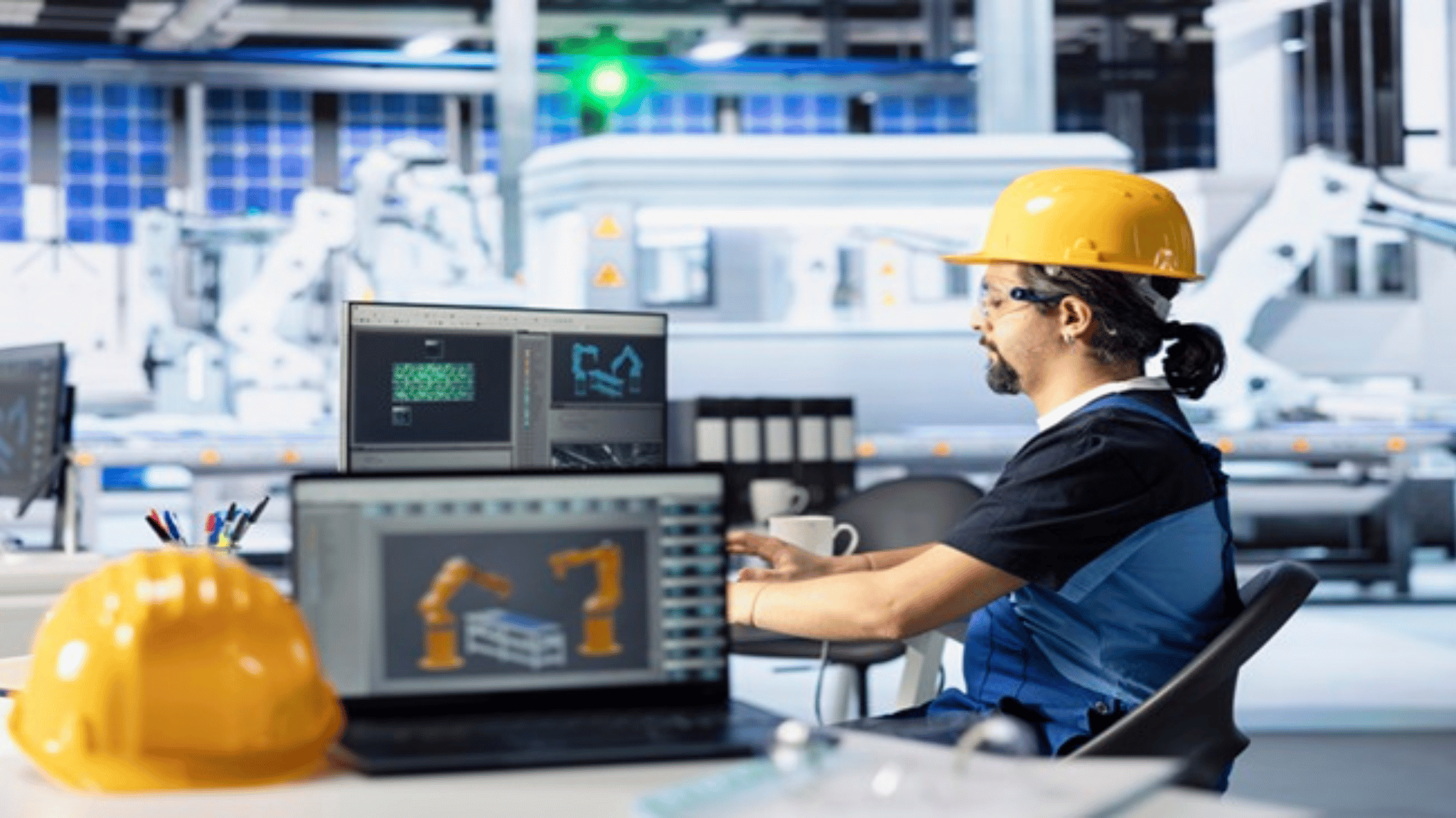
REVERSE ENGINEERING
We use high-precision 3D scanning to convert physical parts into detailed 3D CAD models, ideal for legacy part recreation, design modifications and industrial upgrades. Our expertise helps manufacturing companies across various industries.
View services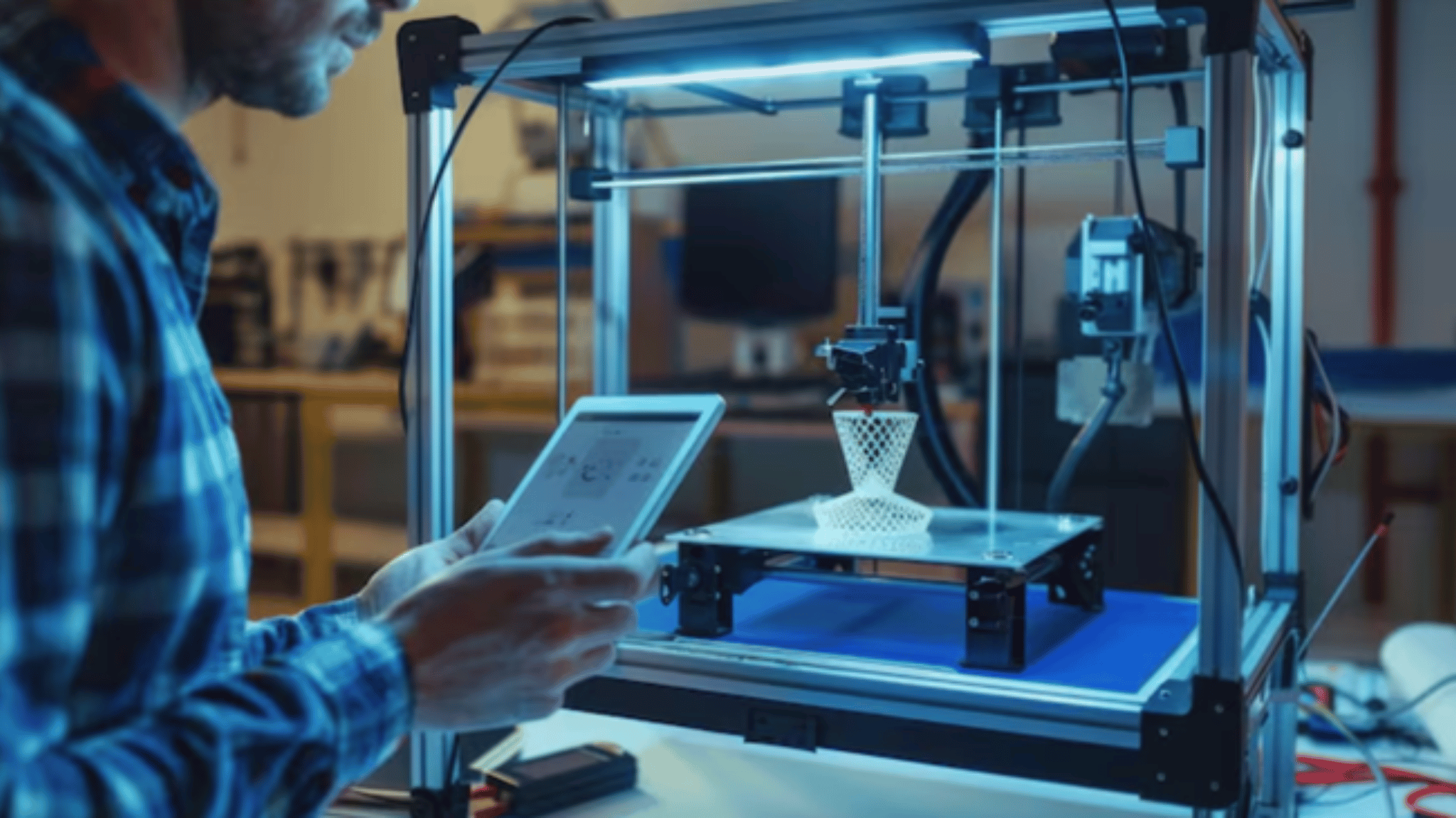
3D PRINTERS & 3D SCANNERS
Get top-rated 3D printers and scanners for rapid prototyping, product validation, and quality inspection. We offer affordable SOLIDWORKS subscription services with flexible licensing for seamless integration and improved workflow efficiency across industries.
View services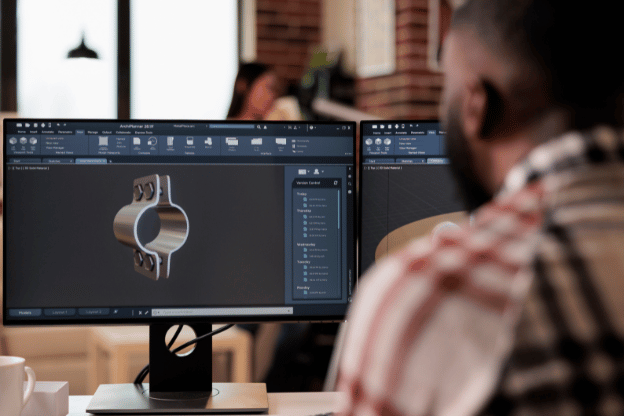
SOLIDWORKS
- SOLIDWORKS is a cutting-edge 3D CAD tool and industrial design software for today’s quality product design professionals
3DEXPERIENCE Works
- The 3DExperience is an integrated platform based on the cloud. It facilitates collaborative working and brings all aspects of the development together.
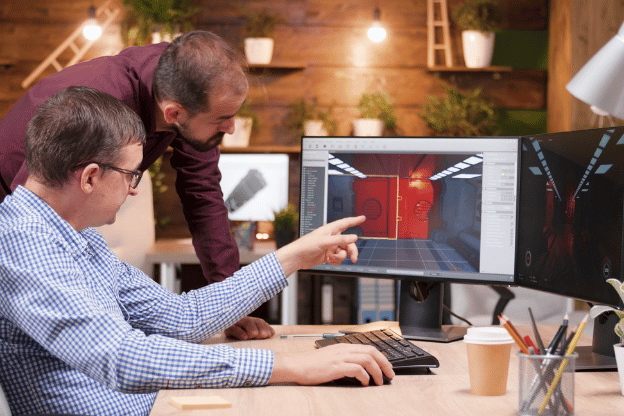

DRAFTSIGHT
- Draftsight is versatile software offering 2D computer-aided drafting for all engineering services including, mechanical, manufacturing.




DESIGN
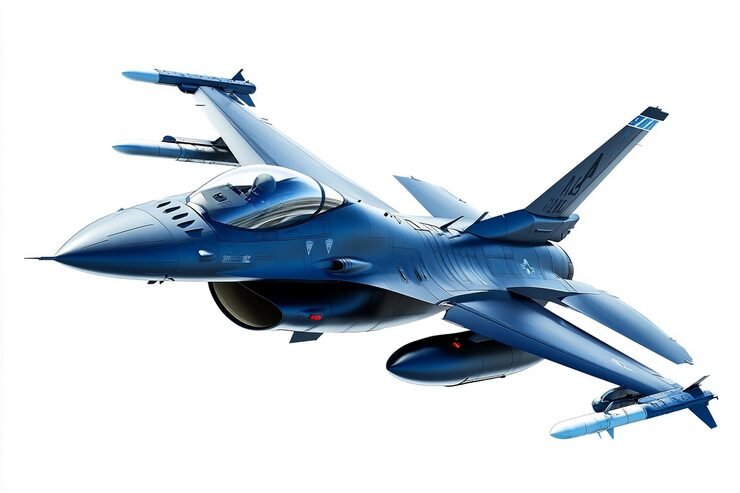
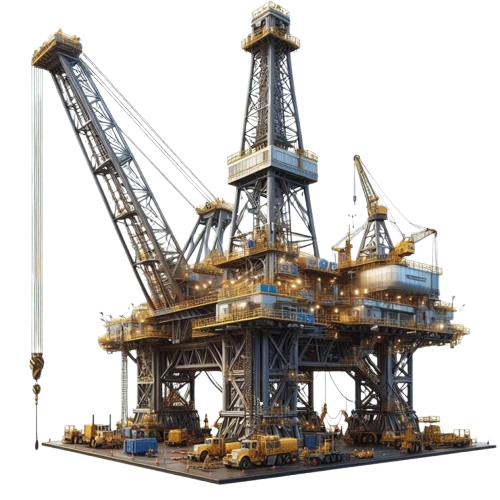
Leverage SOLIDWORKS 3D CAD software for precise product modeling, assembly design and drafting. Our affordable SOLIDWORKS pricing in Chennai, Coimbatore and Kolhapur ensures businesses get the best CAD solutions for product development.
Learn more
SIMULATION
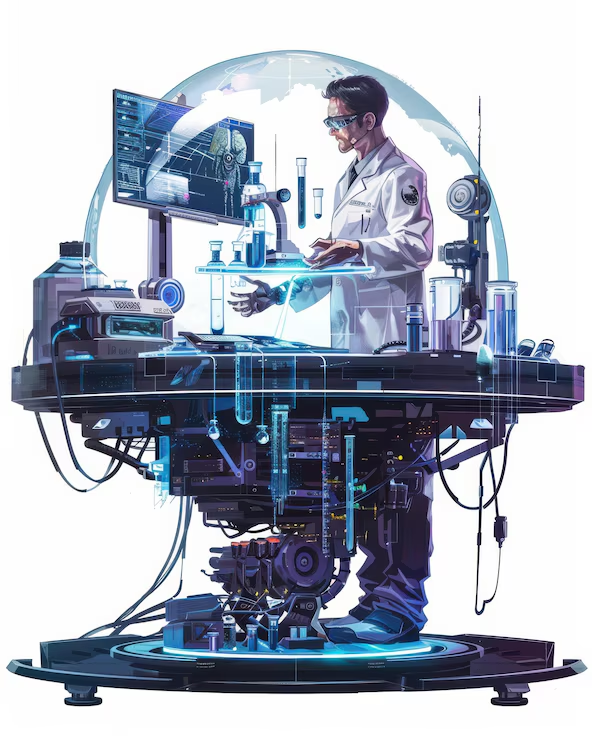
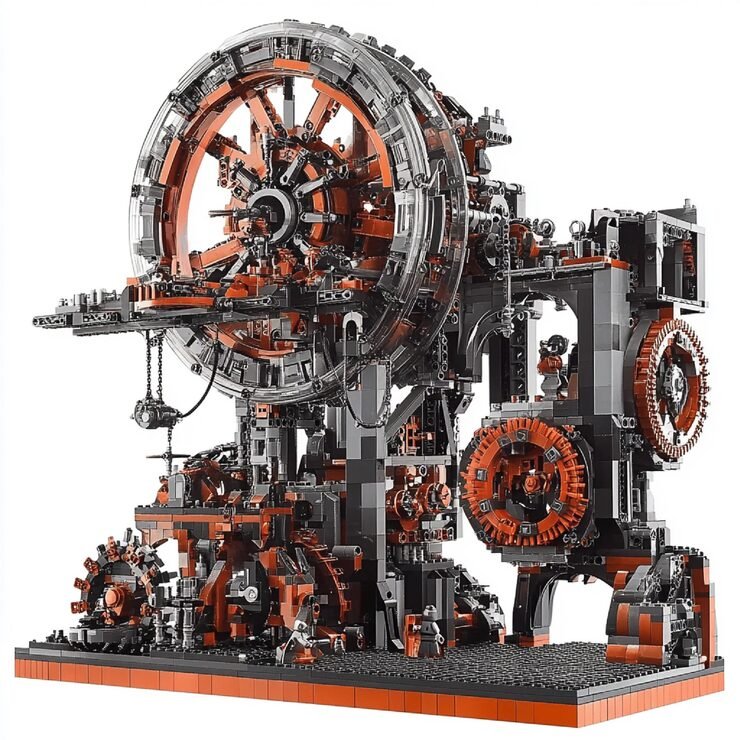
With SOLIDWORKS Simulation, perform advanced stress analysis, thermal evaluation, and motion studies to enhance product performance, reliability, and cost-effectiveness. Ideal for engineering firms and manufacturers in Chennai, Coimbatore, and Kolhapur.
Learn more
DATA MANAGEMENT
Manage engineering data, PDM workflows and product lifecycle using SOLIDWORKS PDM and 3DEXPERIENCE solutions. Get seamless collaboration, version control and secure data management for better project execution and operational efficiency.
Learn more
MANUFACTURE
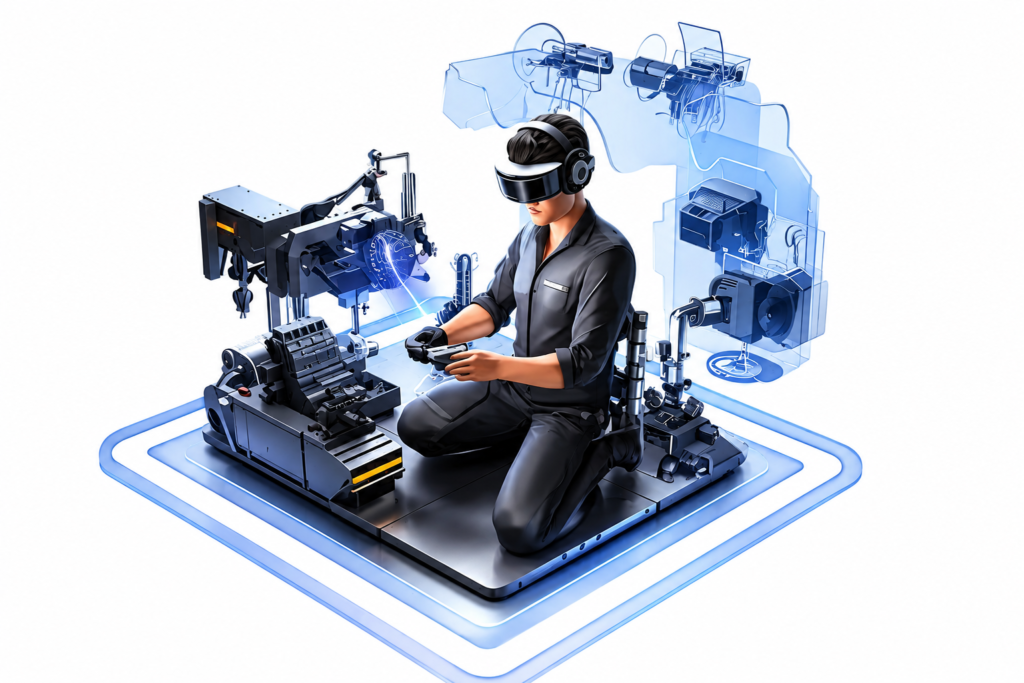
Optimize CNC machining, production and quality control with SOLIDWORKS CAM, MBD and Inspection tools. Our SOLIDWORKS implementation and consultation services in Chennai, Coimbatore and Kolhapur help industries achieve efficient manufacturing workflows and operational excellence.
Learn more
MARKETING
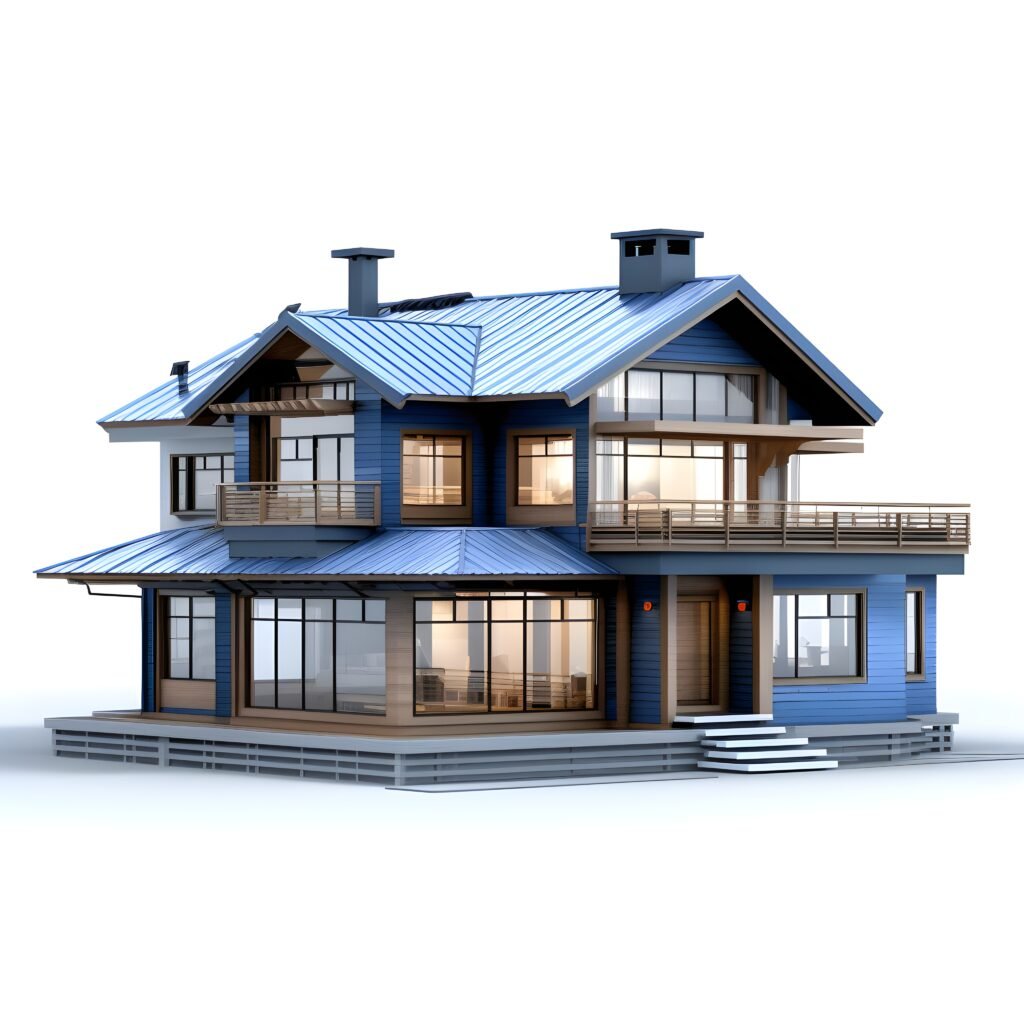
Create high-quality 3D renderings, animations and interactive product experiences with SOLIDWORKS Visualize and Composer. Our certified SOLIDWORKS training centers in Chennai & Coimbatore ensure businesses maximize their marketing, sales potential and business growth.
Learn more
DESIGN
3DEXPERIENCE SOLIDWORKS provides a cloud-based 3D CAD environment with seamless collaboration, real-time data access, and integrated project management.
Learn more
SIMULATION
Perform high-end simulations with SIMULIA, enabling engineers to analyze stress, heat transfer, fluid dynamics and complex physics-based scenarios accurately and efficiently.
Learn more
GOVERNANCE
Streamline product lifecycle management (PLM) with ENOVIA, offering centralized data storage, secure access control and workflow automation capabilities efficiently.
Learn more
MANUFACTURE
Optimize manufacturing operations with DELMIA, utilizing digital twin technology, production planning, and robotics integration to improve efficiency, reduce costs.
Learn more






SOLIDWORKS SUPPORT
Get 24/7 SOLIDWORKS technical support from certified experts in Chennai, Coimbatore and Kolhapur. We offer onsite, remote and phone support to resolve issues quickly, ensuring uninterrupted design, simulation and manufacturing workflows.
Learn more
SOLIDWORKS CERTIFICATION
Enhance your career with official SOLIDWORKS certifications, including CSWA, CSWP and CSWE. Our certified training centers provide hands-on courses for engineers, students and professionals to master SOLIDWORKS design and simulation.
Learn more
SOLIDWORKS SUBSCRIPTION
Stay updated with the latest SOLIDWORKS features, security updates and exclusive resources. Our affordable SOLIDWORKS subscription services include priority support, software enhancements and cloud collaboration tools to streamline workflows.Enjoy flexible plans and expert assistance tailored to your business needs.
Learn more
TRAINING LICENSE
Learn from experts with hands-on SOLIDWORKS training courses, covering design, simulation, PDM, and electrical solutions, tailored for engineers, designers, and manufacturers. Gain practical industry-focused experience with real-world projects to enhance skills, improve productivity, and accelerate career growth.
Learn more